Clyde A. Hutchison III
Clyde Hutchison helped build synthetic genomes and advanced computational modeling of living cells while researchers tested the minimum genes needed for cellular life. He earned a physics degree at Yale, studied φX174 in Sinsheimer's Caltech lab, completed his PhD in 1968, and joined UNC's Microbiology and Immunology faculty. His career included the first complete sequence of φX174, site-directed mutagenesis with Michael Smith, and synthetic bacterial cells. In 2016, he was a lead author on a viable synthetic cell with 473 genes. He was elected to the National Academy of Sciences in 1995 and died in 2025 as a distinguished professor emeritus at JCVI.
Timeline
-
1960–1968
Physics degree and UNC faculty
He graduates from Yale with a BS in physics in 1960, studies bacteriophage φX174 in Robert L. Sinsheimer's laboratory at Caltech, completes his PhD in 1968, and joins the University of North Carolina at Chapel Hill's Microbiology and Immunology faculty in 1968.
-
1975–1978
Sequencing and site-directed mutagenesis
In 1975–1976, he spends a sabbatical in Fred Sanger's lab in Cambridge and helps sequence φX174, the first DNA molecule to be completely sequenced. He develops site-directed mutagenesis with Michael Smith in 1978.
-
1990–1995
Minimal-cell research and NAS election
He begins work with mycoplasmas as models for a minimal cell in 1990. The National Academy of Sciences elects him in 1995.
-
2003
Synthesizing the φX174 genome
In 2003, the IBEA team assembles the 5,386-base-pair φX174 genome from synthetic DNA in 14 days; Hutchison is a coauthor.
-
2004–2010
Moving into synthetic genomes
He retires from UNC in 2004 and joins the Institute for Biological Energy Alternatives, a forerunner to JCVI. In 2010, he and colleagues build JCVI-syn1.0, the first self-replicating synthetic bacterial cell controlled by a synthetic genome.
-
2011
Research at JCVI and UNC
In 2011, he is a distinguished professor at JCVI and Kenan Professor Emeritus at UNC Chapel Hill; his research focuses on methods to learn gene function from DNA sequence information.
-
2016
The 473-gene minimal cell
He is a lead author on JCVI-syn3.0, a viable synthetic cell with 473 genes, built through whole-genome design and chemical synthesis. His work also advances computational modeling of living cells.
-
2025
Distinguished professor emeritus
He dies in September 2025 as a distinguished professor emeritus at the J. Craig Venter Institute.
Career
- 2011–2025J. Craig Venter InstituteDistinguished Professor, Distinguished Professor Emeritus
- From 2004Institute for Biological Energy Alternatives
- 1975–1976Fred Sanger's laboratorySabbatical researcher
- 1968–2020University of North Carolina at Chapel HillMicrobiology and Immunology faculty
Education
- 1968California Institute of TechnologyPhD
- 1960Yale UniversityBS in physics
Most-cited works
Colleagues
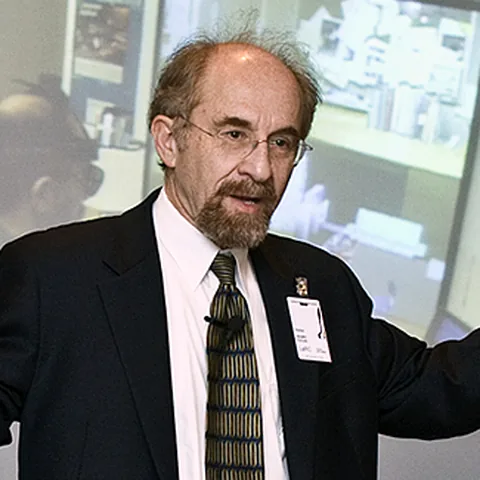 Henry FuchsUniversity of North Carolina at Chapel Hill, 1978–2007
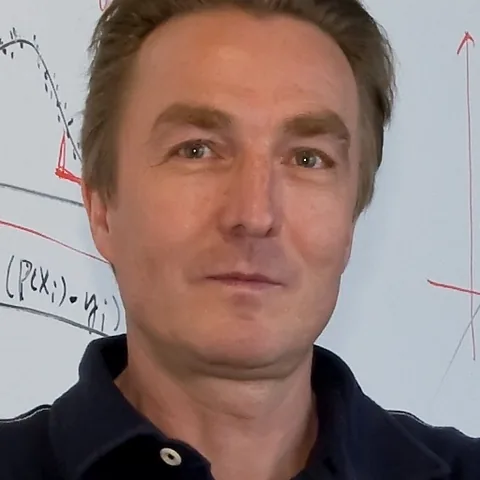 Guido GerigUniversity of North Carolina at Chapel Hill, 1998–2007
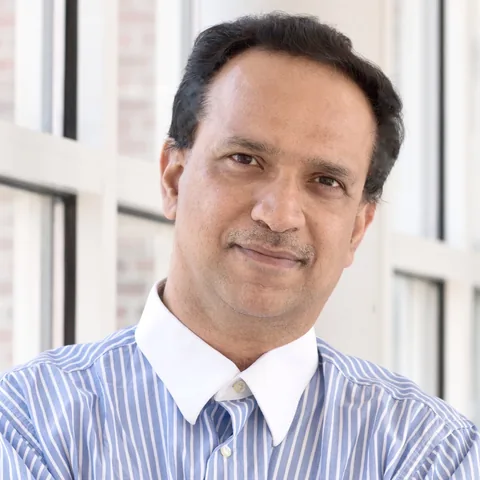 Dinesh ManochaUniversity of North Carolina at Chapel Hill, 1992–2007
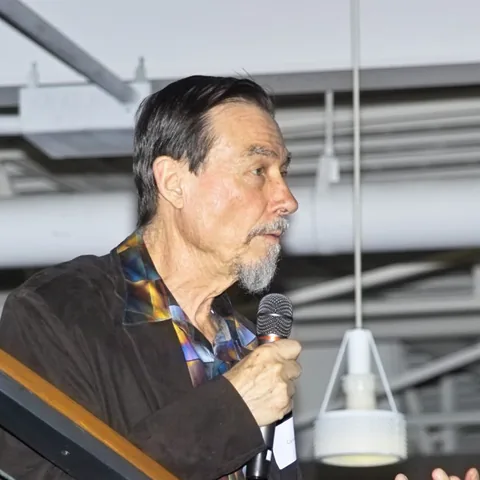 Carver MeadCalifornia Institute of Technology, 1963–1971
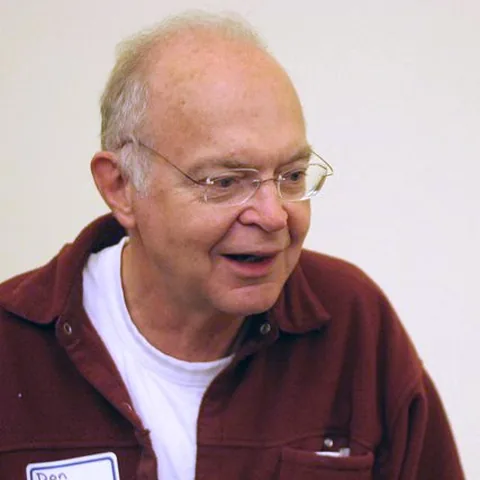 Donald KnuthCalifornia Institute of Technology, 1963–1970
- David HornCalifornia Institute of Technology, 1967–1971
Sources and credits
Photo: We have no published photo of Clyde A. Hutchison III yet. Send us a free-licensed photo.
- Evolution of Sequencing Technology - Profiles
- Clyde A. Hutchison, III, PhD | JCVI
- The passing of Clyde A. Hutchison, III | JCVI
- IBEA Researchers Make Significant Advance in Methodology Toward Goal of a Synthetic Genome | JCVI
- First Self-Replicating, Synthetic Bacterial Cell Constructed by J. Craig Venter Institute Researchers | JCVI
- Bringing DNA to life – an interview with Clyde Hutchison | Chemical Science Blog
- First Minimal Synthetic Bacterial Cell Designed and Constructed by Scientists at Venter Institute and Synthetic Genomics, Inc. | JCVI