Kate Darling
Also known as Katherine Irene Maynard Darling
Kate Darling is a researcher of human-robot interaction and robot ethics who leads the Robotics, Ethics & Society research team at the RAI Institute. Raised in Basel, Switzerland, she studied economics and law at the University of Basel and completed a doctorate on copyright at ETH Zurich in 2014. As an MIT Media Lab researcher, she co-taught a Harvard Law School course on robot rights with Lawrence Lessig, ran a 2013 workshop in Geneva where none of four groups could "kill" their Pleo robot dinosaurs, and found in 2015 that people high in empathic concern hesitate to strike a robot. Her 2021 book, The New Breed, compares robots with animals long used for work, weaponry and companionship. In 2023, the Boston Dynamics AI Institute hired her to lead its study of the ethics and societal impact of robotics and AI.
Timeline
-
1982–2014
Law, economics and an ETH doctorate
Born in the US in 1982, she grows up in Basel, Switzerland, earns degrees in economics and law at the University of Basel, and graduates from law school with honors. In 2014, she completes an ETH Zurich doctoral dissertation on copyright transfers and incentives for content production.
-
By 2013
Robot rights at Harvard Law
By March 2013, she is an intellectual property research specialist at the MIT Media Lab and has co-taught a "Robot Rights" course at Harvard Law School with Lawrence Lessig. She also writes a paper, "Extending Legal Rights to Social Robots", which asks whether society should protect robots that people connect with on a social level.
-
2013
The Pleo dinosaur workshop
In 2013, she and technology activist Hannes Gassert run a workshop in Geneva in which four groups are asked to "kill" Pleo robot dinosaurs with an axe and other tools. After 1.5 hours of interaction, none of the groups can kill its Pleo, and only one is destroyed in the end.
-
2015
The empathic concern study
In November 2015, she publishes a RO-MAN paper with Palash Nandy and Cynthia Breazeal on how people respond when asked to strike a simple robotic object. People with high empathic concern hesitate to strike the robots, most strongly when the robots come with stories.
-
2017
A Banner Award and honorary doctorate
In 2017, the American Bar Association gives her the Mark T. Banner Award in intellectual property. Middlebury College awards her an honorary Doctor of Science at its 2017 commencement, naming her an expert on social robotics, intellectual property law, and the economic incentives of copyright and patent systems.
-
2021
The New Breed
Henry Holt publishes her book The New Breed: What Our History with Animals Reveals About Our Future with Robots in 2021. It compares robots with animals, long used for work, weaponry and companionship, and challenges the idea that robots will soon replace humans in the workforce.
-
September 2023
Ethics team at the AI Institute
In September 2023, the Boston Dynamics AI Institute, launched by Hyundai Motor Group in May 2022, hires her from the MIT Media Lab to lead its study of the ethics and societal impact of robotics and AI. Her new team plans studies and experiments that generate data for ethics and policy decisions.
-
As of October 2026
Ethics research at the RAI Institute
She leads the Robotics, Ethics & Society research team at the Robotics and AI (RAI) Institute, after a decade and a half of studying the emotional connection between people and lifelike machines at the MIT Media Lab. In 2026, she gives the Spring Wilson Lecture at Duke's Sanford School of Public Policy on how emotion, design and power shape people's relationship with robots and AI.
Career
- Since 2023Robotics and AI InstituteLead, ethics and societal impact of robotics and AI, Robotics, Ethics & Society research team lead
- 2015Harvard UniversityCo-instructor
- 2012–2023Massachusetts Institute of TechnologyIntellectual property research specialist
Education
- 2014ETH ZurichDoctorate
- University of BaselDegrees in economics and law
Most-cited works
- Extending legal protection to social robots: The effects of anthropomorphism, empathy, and violent behavior towards robotic objects
- “Who’s Johnny?” Anthropomorphic Framing in Human–Robot Interaction, Integration, and Policy
- Empathic concern and the effect of stories in human-robot interactionWith Cynthia Breazeal
- PARO as a Biofeedback Medical Device for Mental Health in the COVID-19 Era
- IP Without IP? A Study of the Online Adult Entertainment Industry
Videos
 Kate Darling: Social Robots, Ethics, Privacy and the Future of MIT | Lex Fridman Podcast #329Lex Fridman · 15 October 2022 · 3 h 4 min
 Kate Darling: Social Robotics | Lex Fridman Podcast #98Lex Fridman · 23 May 2020 · 1 h 13 min
 Human-Robot Interaction and Empathy with Kate Darling - TWIML Talk #289The TWIML AI Podcast with Sam Charrington · 8 August 2019 · 44 min
Video data from YouTube API Services. By watching you agree to the YouTube Terms of Service. How we use YouTube data.
Colleagues
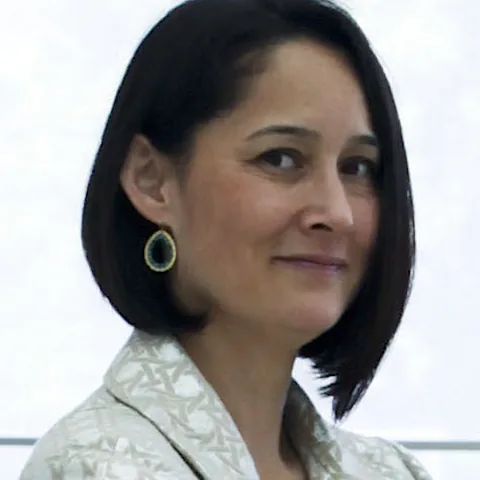 Cynthia BreazealMassachusetts Institute of Technology, 2012–2016
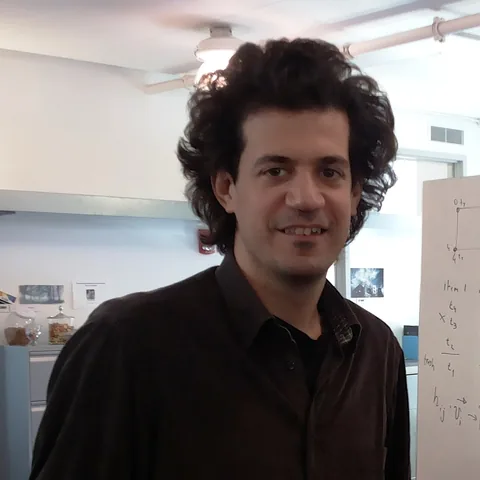 Constantinos DaskalakisMassachusetts Institute of Technology, 2012–2016
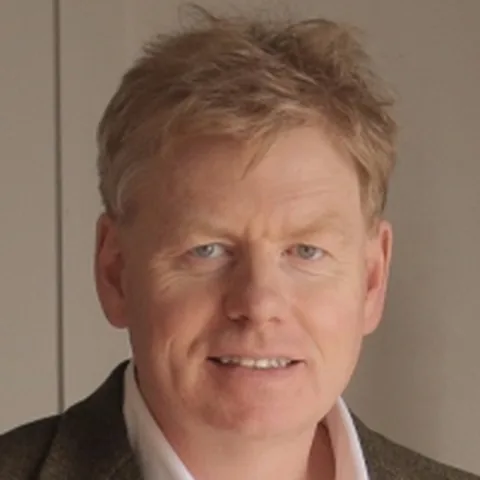 John J. LeonardMassachusetts Institute of Technology, 2012–2016
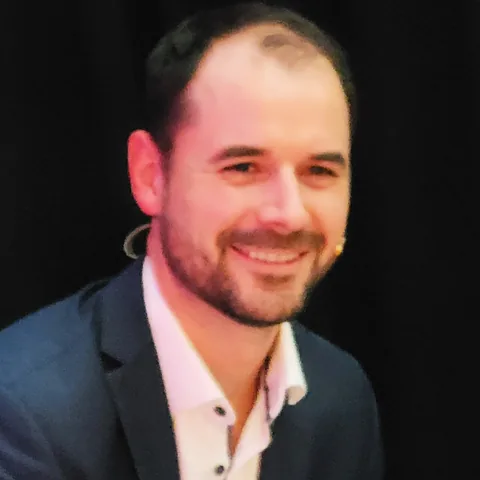 Marco HutterRobotics and AI Institute, 2024–2026
 Elliott J. RouseRobotics and AI Institute, 2024–2025
 Jessica K HodginsRobotics and AI Institute, 2025–2026
Sources and credits
Photo: We have no published photo of Kate Darling yet. Send us a free-licensed photo.
- Kate Darling - Wikipedia
- Bio — Kate Darling
- Giving rights to robots - Robohub
- Abusing robots – current positions [part 2 of 4]
- Empathic concern and the effect of stories in human-robot interaction
- Kate Darling - CHM
- Class of 2017 Celebrates Commencement
- Elegant chemistry, a humane view of robots, and refugee economics: Books in brief
- The New Breed: What Our History with Animals Reveals About Our Future with Robots
- AI Institute hires Kate Darling to lead ethics research
- Boston Dynamics AI Institute Launches Ethics Research Initiative for Robots, AI
- Wilson Lecture: Kate Darling brings joy, humor, and urgency to a conversation about humans and robots