Sameer Hinduja
Sameer Hinduja is a criminologist and social scientist who studies how technology harms and protects young people, and his work on cyberbullying has extended to generative AI, deepfakes and companion chatbots. He completed a PhD in criminal justice with a cognate in computer science at Michigan State University, and in 2005 he launched the Cyberbullying Research Center with Justin Patchin. After the 2009 book Bullying Beyond the Schoolyard and Florida Atlantic University's Researcher of the Year awards in 2010 and 2015, he wrote about generative AI as a vector for harassment in 2023, and AP quoted him on school deepfake policy in 2025. In 2026, he and Patchin reported a Journal of Adolescence study of 3,466 US teens on conversational AI chatbots. He is a professor at Florida Atlantic University, co-director of the Center and a faculty associate at Harvard's Berkman Klein Center, and he is leading a national study of teens and AI companion chatbots in the 2026–27 academic year.
- Now at
- Cyberbullying Research Center and Florida Atlantic University
- Works
- 115
- Citations
- 13,123
- h-index
- 40
Publication numbers from OpenAlex, as of 22 October 2026.
Timeline
-
2002–2005
Founding the Cyberbullying Research Center
He and Justin W. Patchin start studying online risks and harms to young people in 2002, and they launch the Cyberbullying Research Center in 2005. The Center's mission is to bring sound research about youth and technology to those who can benefit most from it.
-
By 2006
A PhD at Michigan State
He grows up in Florida and earns a bachelor's degree in criminal justice at the University of Central Florida. At Michigan State University, he earns a master's degree in criminal justice and then a PhD in criminal justice with a cognate in computer science. His sole-authored book Music Piracy and Crime Theory appears in 2006.
-
2009
Bullying Beyond the Schoolyard
He and Justin Patchin publish Bullying Beyond the Schoolyard: Preventing and Responding to Cyberbullying through Sage Publications (Corwin Press) in 2009.
-
2010–2017
Research awards and a Fulbright
Florida Atlantic University names him its Researcher of the Year in 2010 and 2015, and Auburn University gives him its Global Anti-Bullying Hero Award in 2015. He receives a Fulbright Specialist Award in 2017.
-
2023
Writing on generative AI harms
In May 2023, he publishes "Generative AI as a Vector for Harassment and Harm" on the Cyberbullying Research Center site, arguing that it is critical to think through the potential risks and negative impacts of generative AI technologies. In 2023, the Berkman Klein Center at Harvard, where he is a faculty associate, features his analysis of how generative AI tools could perpetuate online harassment at massive scale.
-
December 2025
Advice on school deepfakes
In December 2025, an AP report on AI-generated nude images spreading through schools quotes him, as co-director of the Cyberbullying Research Center, recommending that schools update their policies on AI-generated deepfakes and get better at explaining them.
-
May 2026
A national teen chatbot study
In May 2026, he and Justin Patchin report a national study in the Journal of Adolescence of 3,466 US teens aged 13 to 17. It finds that 60.2% have used a conversational AI chatbot and that 47.1% of the teens who use them report at least one harmful interaction.
-
As of October 2026
AI companion research at FAU
He is a professor in the School of Criminology and Criminal Justice at Florida Atlantic University, co-director of the Cyberbullying Research Center and a faculty associate at the Berkman Klein Center at Harvard University. During the 2026–27 academic year, he leads a funded national study of how teenagers adopt, use and misuse AI companion chatbots. He is also building machine learning models that estimate individualized risk profiles for certain online harms and developing AI literacy curricula for secondary schools.
Career
- Since 2005Cyberbullying Research CenterCo-founder, Co-director
- Since 2004Florida Atlantic UniversityProfessor
Education
- University of Central FloridaBachelor's degree
- Michigan State UniversityMaster's degree
Most-cited works
Colleagues
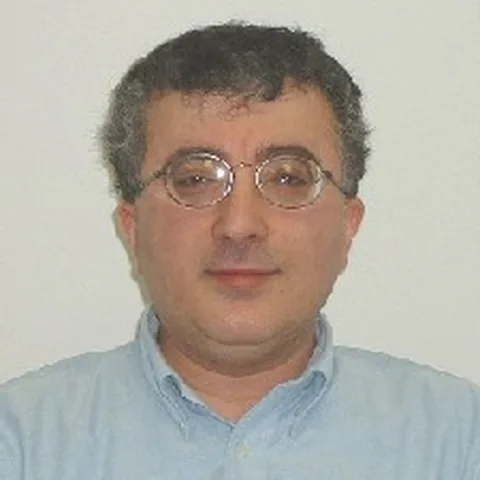 Taghi M. KhoshgoftaarFlorida Atlantic University, 2004–2026
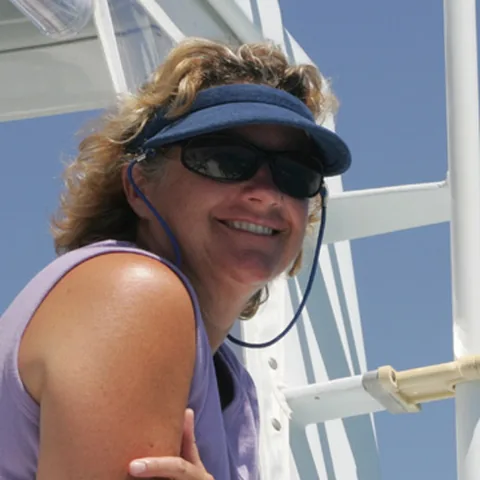 Denise HerzingFlorida Atlantic University, 2004–2017
- Susan SchneiderFlorida Atlantic University, 2020–2026
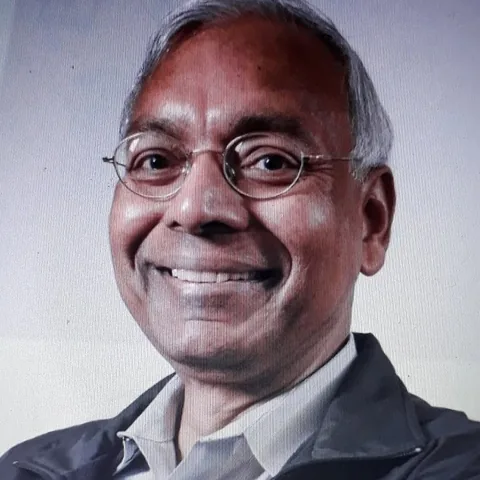 Anil K. JainMichigan State University, 2001–2004
- Richard LenskiMichigan State University, 2001–2004
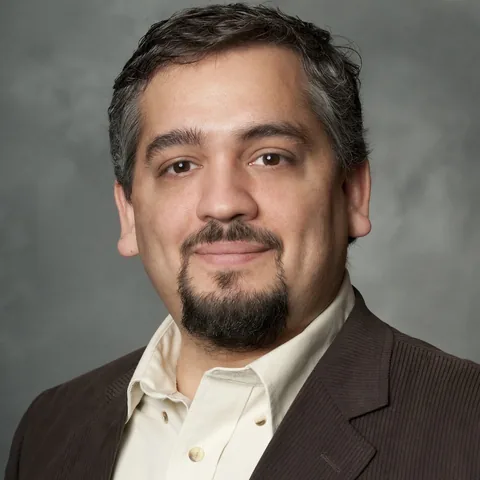 Charles OfriaMichigan State University, 2001–2004
Sources and credits
Photo: We have no published photo of Sameer Hinduja yet. Send us a free-licensed photo.
- About us - Cyberbullying Research Center
- Sameer Hinduja - Wikipedia
- Generative AI as a Vector for Harassment and Harm - Cyberbullying Research Center
- Thinking Through Generative AI Harms Among Users on Online Platforms | Berkman Klein Center
- The rise of deepfake cyberbullying poses a growing problem for schools
- Conversational AI Chatbots and US Teens: Nearly Half Who Use Them Report Harm - Cyberbullying Research Center
- Sameer Hinduja | Berkman Klein Center
- Sameer Hinduja, Ph.D. Bio | Florida Atlantic University