Dimitrios Skarlatos
Dimitrios Skarlatos is a computer scientist whose work connects computer architecture and operating systems with the performance, security, and efficiency of AI datacenters. He studied electronic and computer engineering in Crete, completed a computer science PhD at Illinois in 2020, and joined Carnegie Mellon in 2021 after a year at Facebook Research. His work includes TMO for memory offloading, Contiguitas for memory management, LithOS for machine-learning workloads on GPUs, and Cerium for encrypted AI inference. He received the IEEE Young Computer Architect Award in 2025 and the JPMorgan Chase endowed professorship in 2026. As of October 2026, he is Carnegie Mellon's JPMorgan Chase Assistant Professor, leads its Computer Architecture and Operating Systems group, and is co-founder and CEO of LithosAI.
- Now at
- Carnegie Mellon University and LithosAI
- Works
- 43
- Citations
- 865
- h-index
- 16
- Badges
Publication numbers from OpenAlex, as of 27 October 2026.
Timeline
-
2016–2020
Studies in Crete and Illinois
After studying electronic and computer engineering at the Technical University of Crete in Greece, he earns a master's degree in computer science at the University of Illinois at Urbana-Champaign in 2016. He completes a computer science PhD at Illinois in 2020, working with Josep Torrellas in the i-acoma group.
-
2021
Joining Carnegie Mellon
After a year at Facebook Research, he joins Carnegie Mellon's Computer Science Department as an assistant professor in 2021. He receives the joint 2021 ACM SIGARCH and IEEE CS TCCA Outstanding Dissertation Award for redesigning the interfaces between hardware and operating systems.
-
2022
Transparent memory offloading
In 2022, he coauthors TMO: Transparent Memory Offloading in Datacenters with researchers at Meta. TMO moves less active memory to compressed memory or SSDs and saves 20–32% of total memory across millions of servers. The system is integrated into the Linux kernel.
-
2023
Contiguitas improves memory management
In 2023, he leads a CMU and Meta team that develops Contiguitas, redesigning operating systems and hardware to reduce virtual-memory overhead. Tests in Meta's production datacenters improve application performance by 2–18%, and the work wins a Best Paper Award at the International Symposium on Computer Architecture.
-
April 2025
LithOS manages GPU workloads
In April 2025, he coauthors LithOS: An Operating System for Efficient Machine Learning on GPUs. The system schedules machine-learning workloads across GPU resources and adjusts power use, aiming to improve utilization and energy efficiency while maintaining isolation between workloads.
-
2025
IEEE Young Computer Architect Award
He receives the 2025 IEEE Technical Committee on Computer Architecture Young Computer Architect Award for contributions to virtual memory management and computer security.
-
December 2025–October 2026
Cerium for encrypted inference
In December 2025, he coauthors the first version of Cerium, a framework for running AI inference on encrypted data across multiple GPUs. The October 2026 version combines a programming language, compiler, and runtime system to generate GPU kernels, manage terabyte-scale memory, and coordinate communication between GPUs.
-
2026
JPMorgan Chase endowed professorship
In 2026, he receives the JPMorgan Chase endowed professorship at Carnegie Mellon, recognizing his research impact in artificial intelligence.
-
As of October 2026
Professor and LithosAI co-founder
As of October 2026, he is the JPMorgan Chase Assistant Professor in Carnegie Mellon's Computer Science Department and leads the Computer Architecture and Operating Systems (CAOS) group. He is also co-founder and CEO of LithosAI. His research focuses on the performance, security, and efficiency of AI datacenters.
Career
- NowCarnegie Mellon UniversityJPMorgan Chase Assistant Professor, Computer Science, Lead, Computer Architecture and Operating Systems (CAOS) Group
- NowLithosAICEO
- MetaResearcher
Education
- 2020University of Illinois Urbana-ChampaignPhD in computer science
- 2016University of Illinois Urbana-ChampaignMaster’s degree in computer science
- Technical University of CreteStudies in electronic and computer engineering
Colleagues
- Peter SpirtesCarnegie Mellon University, 2021–2026
- Roni RosenfeldCarnegie Mellon University, 2021–2026
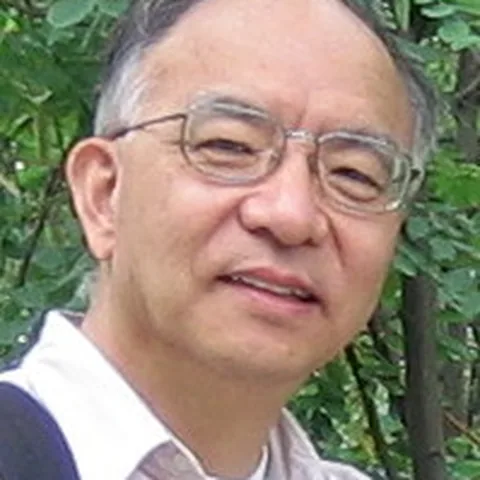 Jiawei HanUniversity of Illinois Urbana-Champaign, 2016–2021
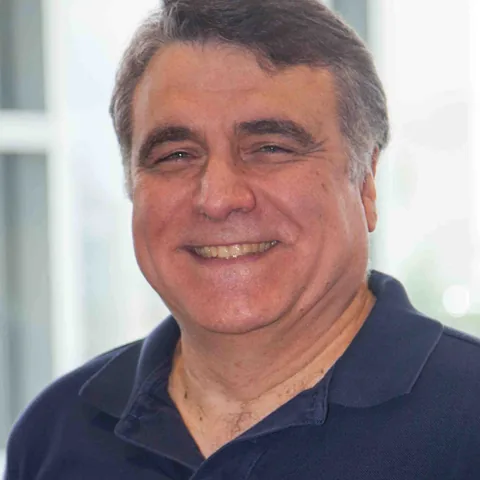 Christos FaloutsosCarnegie Mellon University, 2021–2026
- Giulia FantiUniversity of Illinois Urbana-Champaign, 2016–2021
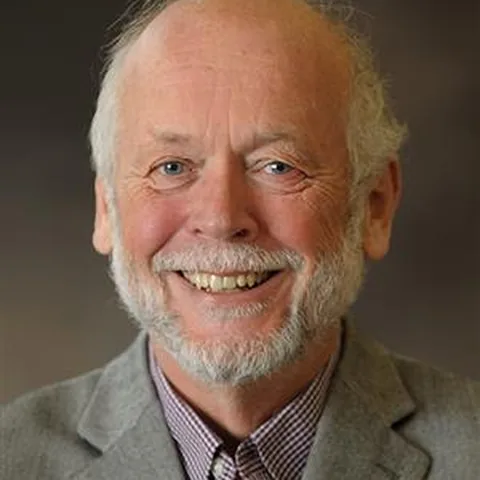 Roy H. CampbellUniversity of Illinois Urbana-Champaign, 2016–2021
Sources and credits
Photo: We have no published photo of Dimitrios Skarlatos yet. Send us a free-licensed photo.
- Dimitrios Skarlatos - Wilton E. Scott Institute for Energy Innovation Search
- Opportunistic power reassignment between processor and memory in 3D stacks | IDEALS
- New Faculty, Ph.D. Alumni Honored for Dissertations | Carnegie Mellon University Computer Science Department
- Skarlatos Receives 2025 IEEE TCCA Young Computer Architect Award | Carnegie Mellon University Computer Science Department
- Parallel Data Laboratory
- SCS, Meta Researchers Resolve Chronic Memory-Management Problem in Datacenters
- [2504.15465] LithOS: An Operating System for Efficient Machine Learning on GPUs
- [2512.11269] Cerium: A Multi-GPU Framework for Terabyte-Scale Encrypted Inference
- Dimitrios Skarlatos
- Dimitrios Skarlatos | Carnegie Mellon University Computer Science Department