Gyu Rie Lee
Also known as Gyuri Lee, Gyurie Lee
Gyu Rie Lee is a computational protein-design researcher who builds deep-learning methods for generating enzymes, small-molecule binders and biosensors. After earning a BS in 2011 and a PhD in 2017 at Seoul National University, she worked in David Baker's laboratory at the University of Washington and the Howard Hughes Medical Institute from 2018 to 2025, coauthoring deep-learning studies on artificial luciferases in February 2023, RoseTTAFold All-Atom in 2024 and LigandMPNN in March 2025. In February 2025 she joined KAIST to lead the Protein Design Laboratory, and in March 2026 she was first author of a Nature Communications study that designed binders for six small-molecule targets and a cortisol biosensor. She is an assistant professor in the Department of Biological Sciences at KAIST, an adjunct professor at the KAIST AI College, and a mentor professor in the AI-CRED Innovative Drug Research Group of the InnoCORE project.
- Now at
- KAIST
Timeline
-
2011–2018
Degrees and postdoc at Seoul National
She earns a BS in 2011 and completes a PhD in 2017 at Seoul National University. From 2017 to 2018, she works as a postdoctoral fellow at Seoul National University.
-
2018–2025
Postdoc and staff in Baker's lab
From 2018 to 2024, Lee works as a postdoctoral researcher and staff scientist in David Baker's laboratory at the University of Washington and the Howard Hughes Medical Institute. Her Seattle appointments span postdoctoral scholar from 2018 to 2022, acting instructor from 2022 to 2023, and research specialist at the University of Washington and HHMI from 2023 to 2025.
-
February 2023
Luciferases designed with deep learning
In February 2023, she coauthors "De novo design of luciferases using deep learning" in Nature. The study introduces a deep-learning family-wide hallucination method that generates idealized protein structures with diverse pocket shapes and designed sequences to create artificial luciferases.
-
2024
Biomolecular assemblies with RoseTTAFold All-Atom
In 2024, she coauthors the Science paper presenting RoseTTAFold All-Atom (RFAA). The AI network predicts biomolecular assemblies containing proteins, nucleic acids, small molecules, metals and chemical modifications.
-
February 2025
Protein Design Laboratory at KAIST
She joins KAIST in February 2025 as an assistant professor in the Department of Biological Sciences and leads the Protein Design Laboratory. She also serves as a mentor professor in the AI-CRED Innovative Drug Research Group of the InnoCORE project, researching enzyme and peptide drug design.
-
March 2025
The LigandMPNN sequence design method
In March 2025, Lee is second author of "Atomic context-conditioned protein sequence design using LigandMPNN" in Nature Methods. LigandMPNN is a deep-learning protein sequence design method that explicitly models all nonprotein components of biomolecular systems.
-
March 2026
Designed binders and a cortisol sensor
In March 2026, she is first author of "Small-molecule binding and sensing with a designed protein family" in Nature Communications, with David Baker as corresponding author. The team combines deep learning and physics-based methods to generate proteins with designable pocket geometries, designing binders for six small-molecule targets and building an AI-designed cortisol biosensor.
-
As of October 2026
Two faculty posts at KAIST
Her KAIST appointment as assistant professor in the Department of Biological Sciences runs from 2025 to the present. She also serves as an adjunct professor at the KAIST AI College, where her core AI competencies include generative AI and inverse design, data-centric AI, foundation models, and reinforcement learning and control.
Career
- Since 2025KAISTAssistant professor
- 2018–2024University of WashingtonPostdoctoral researcher and staff scientist
- 2018–2024Howard Hughes Medical InstitutePostdoctoral researcher and staff scientist
Education
- 2017Seoul National UniversityPhD
- 2011Seoul National UniversityBS
Colleagues
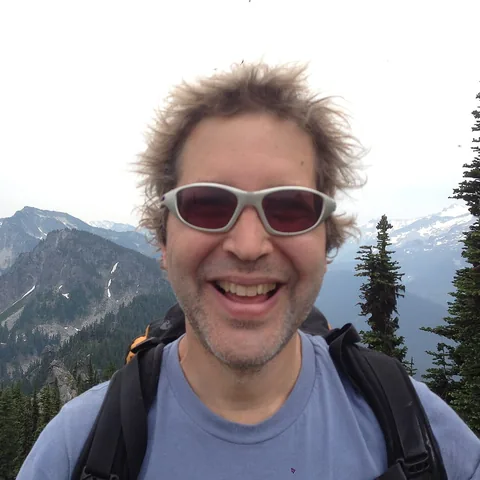 David BakerHoward Hughes Medical Institute, 2018–2024
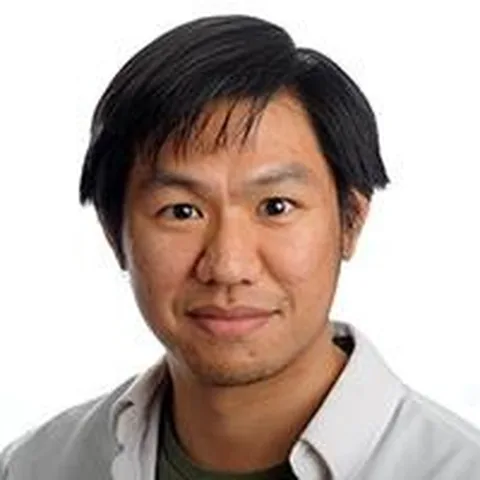 Gary B. HuangHoward Hughes Medical Institute, 2018–2024
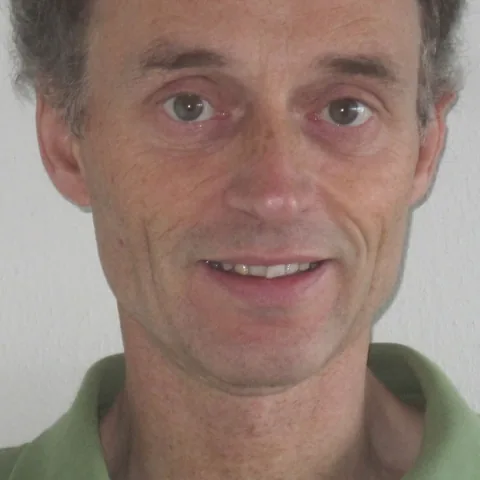 Christopher BrethertonUniversity of Washington, 2018–2024
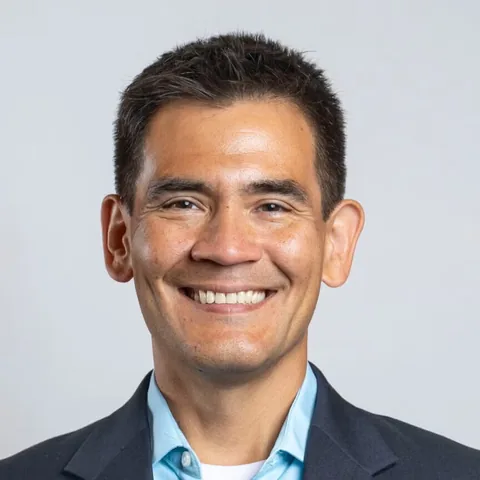 Tadayoshi KohnoUniversity of Washington, 2018–2024
 Eero SimoncelliHoward Hughes Medical Institute, 2018–2022
- J. Nathan KutzUniversity of Washington, 2018–2024
Sources and credits
Photo: We have no published photo of Gyu Rie Lee yet. Send us a free-licensed photo.
- Gyurie Lee - Korea Advanced Institute of Science and Technology
- InnoCORE Research Group successfully achieves AI protein design with Nobel Laureate David Baker
- De novo design of luciferases using deep learning | Nature
- An AI-Based Biomolecular Structure Prediction & Design Tool | BNL Newsroom
- Atomic context-conditioned protein sequence design using LigandMPNN | Nature Methods
- Small-molecule binding and sensing with a designed protein family | Nature Communications
- KAIST and Nobel Laureate Achieve Success in Designing "Artificial Proteins" Using AI
- Faculty | AX