George Nagy
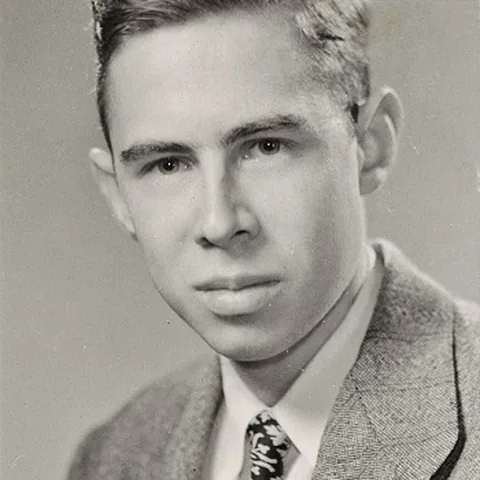
George Nagy is a computer engineer whose work connects early neural networks with pattern recognition and document image analysis. He studies engineering physics and earns an MS at McGill, receives a Cornell PhD in 1962 for helping Frank Rosenblatt build the Tobermory speech-recognition network, then works on character recognition and remote sensing at IBM Yorktown. Nagy becomes chair of Nebraska's computer science department in 1972 and joins Rensselaer in 1985, where his contributions include character recognition, document analysis and X-Y trees; he becomes an IAPR Fellow in 1998 and receives the ICDAR Lifetime Contributions Award in 2001. He retires in June 2011 and is Professor Emeritus of Electrical, Computer, and Systems Engineering at RPI as of October 2026.
Timeline
-
1962
The Tobermory network
He studies engineering physics and earns an MS at McGill. In 1962, he receives a Cornell PhD for helping Frank Rosenblatt build Tobermory, a sixteen-foot, four-layer neural network for speech recognition. After a short postdoctoral appointment, he works on character recognition and remote sensing at IBM Yorktown.
-
1972
Chair of computer science
He becomes chair of the University of Nebraska's Department of Computer Science in 1972 and works on computational geometry, geographic information systems, and human-computer interaction.
-
1983
Candide's practical principles
He publishes 'Candide's Practical Principles of Experimental Pattern Recognition' at the University of Nebraska–Lincoln in 1983. The paper calls attention to assumptions and techniques used in pattern-recognition research.
-
1985–2011
Professor at RPI
He joins RPI as Professor of Computer Engineering in 1985 and retires in June 2011. His document-analysis work includes Chinese character recognition with Dick Casey, self-corrective recognition with Glen Shelton, cipher-substitution recognition with Casey, Sharad Seth and Tin Ho, X-Y trees with Seth, and paper-based election systems research with Daniel Lopresti and Elisa Barney Smith. He works with RPI's DocLab, which researches information extraction from hard-copy and computer-generated images and offers facilities for document image analysis and optical character recognition.
-
1998
IAPR Fellowship
He becomes an IAPR Fellow in 1998 for contributions to document image analysis and service to IAPR.
-
2001
ICDAR Lifetime Contributions Award
He receives the ICDAR Lifetime Contributions Award in 2001.
-
As of October 2026
Professor Emeritus at RPI
He retires in June 2011 and is Professor Emeritus of Electrical, Computer, and Systems Engineering at RPI as of October 2026.
Colleagues
Sources and credits
Photo: We have no published photo of George Nagy yet. Send us a free-licensed photo.