Bruno Correia
Bruno Correia studies computational protein design. His work links machine-learning methods to experiments on protein interactions and immune responses. Correia completed doctoral and postdoctoral training involving Washington and Scripps. His research moved from immunogen design to methods for identifying protein–small-molecule interaction sites. Correia joined EPFL as a tenure-track assistant professor in March 2015. His research combines computational design methods with experimental tests of designed proteins. Correia coauthored Deciphering Interaction Fingerprints from Protein Molecular Surfaces Using Geometric Deep Learning. The paper appeared in Nature Methods in 2020.
Timeline
-
2015
Starting a protein-design group
Correia joined EPFL as a tenure-track assistant professor in March 2015. His research combines computational design methods with experimental tests of designed proteins.
-
2020
Learning from molecular surfaces
Correia coauthored Deciphering Interaction Fingerprints from Protein Molecular Surfaces Using Geometric Deep Learning. The paper appeared in Nature Methods in 2020.
-
As of October 2026
Computational and experimental training
Correia completed doctoral and postdoctoral training involving Washington and Scripps. His research moved from immunogen design to methods for identifying protein–small-molecule interaction sites.
Sources and credits
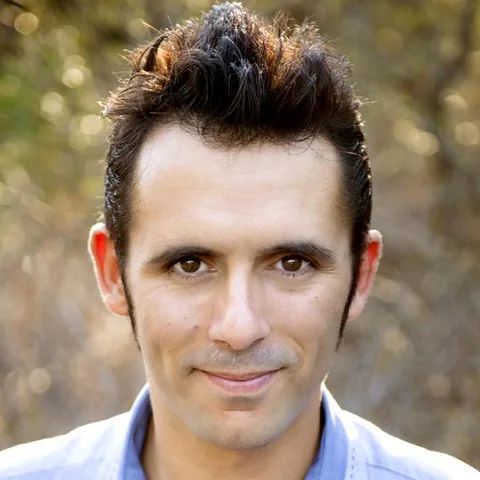
Photo: ellis.eu; Bruno Correia profile photograph; creator not stated. License: Not stated by source. Source: ellis.eu. Cropped to a square and resized. Ask us to remove or replace this photo.