William L. Whittaker
After the Three Mile Island nuclear accident, Whittaker’s Field Robotics Center developed robot systems for inspection and work. The Field Robotics Center began field robotics work in 1982. Terregator followed in 1983 and Navlab in 1985. These vehicles served as test platforms for outdoor navigation, road following, sensing and unmanned ground vehicle research. Nomad was deployed in the Atacama Desert in 1997 and searched for meteorites in Antarctica in 2000. The work links complete robot systems with exploration in difficult natural environments.
Timeline
-
1982
Robots for hazardous inspection
After the Three Mile Island nuclear accident, Whittaker’s Field Robotics Center developed robot systems for inspection and work. The Field Robotics Center began field robotics work in 1982.
-
1983–1985
Outdoor navigation
Terregator followed in 1983 and Navlab in 1985. These vehicles served as test platforms for outdoor navigation, road following, sensing and unmanned ground vehicle research.
-
1997–2000
Robotic exploration
Nomad was deployed in the Atacama Desert in 1997 and searched for meteorites in Antarctica in 2000. The work links complete robot systems with exploration in difficult natural environments.
Sources and credits
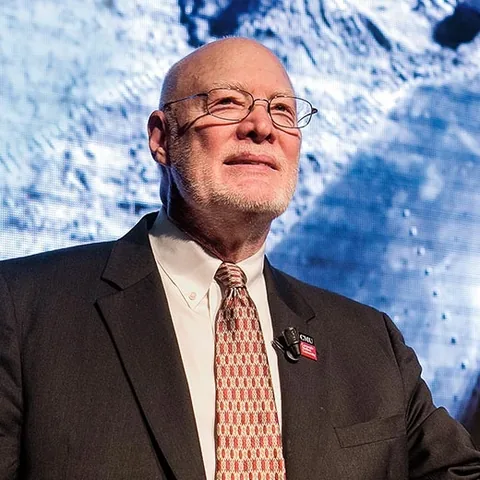
Photo: Pseudo321, via Wikimedia Commons. License: CC BY-SA 4.0. Source: commons.wikimedia.org. Cropped to a square and resized. Ask us to remove or replace this photo.
