Harisankar Sadasivan
Also known as Hari Sadasivan, Harisankar (Hari) Sadasivan
Harisankar Sadasivan is an AI systems researcher and NVIDIA engineer who works on GPU acceleration for drug discovery. After studying electronics and communication engineering at NITK Surathkal, he earned a master’s degree and a doctorate in computer science and engineering at the University of Michigan. He coauthored SquiggleFilter for portable virus detection and RawMap, which uses a support vector machine to distinguish human and microbial sequencing signals. At AMD, he helped mentor a GPU implementation of Minimap2 and coauthored Stream-K++, a method for scheduling GPU matrix multiplication. He joined the University of Washington’s Department of Electrical and Computer Engineering in December 2023 and taught GPU hardware design for AI in 2025.
- Now at
- University of Washington and NVIDIA
Timeline
-
2020
From NITK to Michigan
After a Bachelor of Technology in electronics and communication engineering at NITK Surathkal in India, he completes an MS in computer science and engineering at the University of Michigan, Ann Arbor, in 2020.
-
2021–2022
SquiggleFilter for virus detection
In 2021, he coauthors SquiggleFilter, a hardware accelerator that analyzes raw electrical signals from the MinION nanopore sequencer to identify target viral reads. His doctoral research receives a MICRO Top Picks honorable mention in 2022.
-
January 2023
RawMap classifies sequencing signals
He coauthors RawMap in January 2023. The software uses a support vector machine to distinguish human and microbial nanopore signals, helping select microbial reads for sequencing.
-
April 2023
A portable sequencing thesis
In April 2023, he publishes Accelerated Systems for Portable DNA Sequencing. The thesis brings together SquiggleFilter and DTWax for targeted virus detection, RawMap for microbiome analysis, and mm2-ax for GPU acceleration of Minimap2.
-
December 2023
Joining UW ECE
He joins the University of Washington faculty in December 2023 as an affiliate assistant professor in the Department of Electrical and Computer Engineering.
-
May 2024
GPU systems at AMD
By May 2024, he holds a PhD in computer science and engineering from the University of Michigan, with Satish Narayanasamy as his doctoral adviser. At AMD, he works as a member of technical staff in the Composable Kernel library team and helps Gina Sitaraman mentor Juechu Dong and Xueshen Liu on accelerating Minimap2 for long-read DNA mapping. His earlier employers include NVIDIA and Samsung Research.
-
August 2024
Stream-K++ schedules matrix multiplication
In August 2024, he coauthors Stream-K++, which extends a GPU matrix-multiplication scheduling algorithm from three policies to seven and uses Bloom filters to select configurations. The team implements the method with AMD Composable Kernel and evaluates it on AMD Instinct MI250X GPUs.
-
2025
Teaching GPU hardware design
In winter 2025, he teaches Matrix to Machine: GPU Hardware Design on FPGA for AI in the University of Washington’s Electrical and Computer Engineering department.
-
2025–2027
IEEE Computer Society visitor
He serves as an IEEE Computer Society Distinguished Visitor for the 2025–2027 term.
-
As of October 2026
AI performance at NVIDIA
As of October 2026, he is a senior AI performance engineer at NVIDIA, where he leads GPU acceleration of AI kernels for drug discovery. He is also an affiliate assistant professor in the University of Washington’s Department of Electrical and Computer Engineering.
Career
- Since 2023University of WashingtonAffiliate assistant professor in the Department of Electrical and Computer Engineering
- NowNVIDIASenior AI performance engineer
- AMDMember of technical staff in the Composable Kernel library team
Education
- 2020University of MichiganMS in computer science and engineering
- National Institute of Technology KarnatakaBachelor of Technology in electronics and communication engineering
- University of MichiganPhD in computer science and engineering
Colleagues
Sources and credits
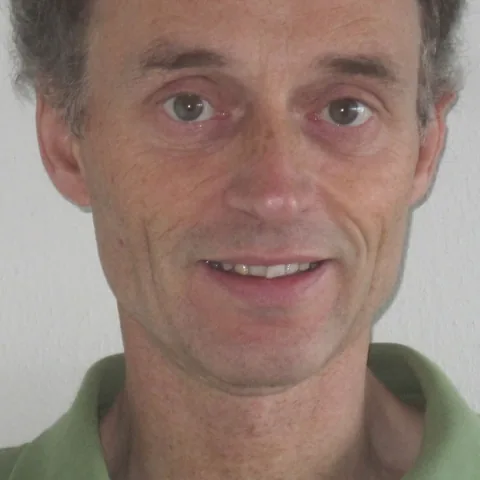
Photo: We have no published photo of Harisankar Sadasivan yet. Send us a free-licensed photo.
- The Impact of Harisankar Sadasivan's Research in Revolutionizing Healthcare through Computer System Design - IBTimes India
- SquiggleFilter: An Accelerator for Portable Virus Detection
- Harisankar (Hari) Sadasivan | UW Department of Electrical & Computer Engineering
- Rapid Real-time Squiggle Classification for Read until using RawMap
- Accelerated Systems for Portable DNA Sequencing by Harisankar Sadasivan - Books on Google Play
- Harisankar Sadasivan — GPU AI Performance Engineer | NVIDIA & UW
- Harisankar Sadasivan | IEEE Computer Society Distinguished Visitor
- Hari Sadasivan — ROCm Blogs
- AMD Collaboration with the University of Michigan offers High Performance Open-Source Solutions to the Bioinformatics Community — ROCm Blogs
- Stream-K++: Adaptive GPU GEMM Kernel Scheduling and Selection using Bloom Filters
- ELECTRICAL ENGINEERING — Winter Quarter 2025 Time Schedule