Emilio Ferrara
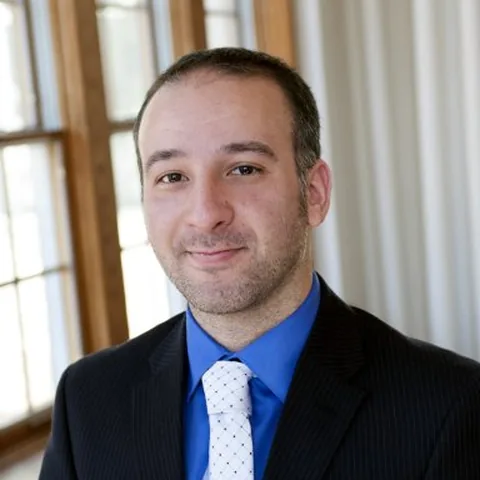
Emilio Ferrara uses machine learning and network analysis to study human behavior and manipulation in online social systems. Ferrara held a postdoctoral appointment at Indiana University from April 2012 through December 2014, followed by research appointments there in 2015. He arrived at USC’s Information Sciences Institute as a computer scientist in August 2015. His research description focuses on modeling human behavior in social systems. Ferrara joined Annenberg in 2020 and taught data science for communication and social networks. In the interview he discussed research on bots and conspiracy content during the 2020 election. His work uses methods shared across engineering, computer science and communication research.
- Works
- 1,781
- Citations
- 23,534
- h-index
- 72
Publication numbers from OpenAlex, as of 14 October 2026.
Timeline
-
2012–2015
Network science and the move to USC
Ferrara held a postdoctoral appointment at Indiana University from April 2012 through December 2014, followed by research appointments there in 2015. He arrived at USC’s Information Sciences Institute as a computer scientist in August 2015. His research description focuses on modeling human behavior in social systems.
-
2016
Studying social bots
The Rise of Social Bots was the cover article of the July 2016 Communications of the ACM. Ferrara and his collaborators studied automated accounts in political discussion during the 2016 election.
-
2016–2018
Models of behavior and information networks
Ferrara worked on MITIGATE, a project on individual trajectories and incentives supported by a 2016 DARPA Young Faculty Award and a 2018 Director’s Fellowship. He also worked on COSINE, a social information network simulation project, with Kristina Lerman as collaborator. These projects connect machine learning with social behavior.
-
2020–2021
Connecting communication and computation
Ferrara joined Annenberg in 2020 and taught data science for communication and social networks. In the interview he discussed research on bots and conspiracy content during the 2020 election. His work uses methods shared across engineering, computer science and communication research.
Sources and credits
Photo: Emilio Ferrara; supplied by USC Annenberg. License: Not stated by source. Source: annenberg.usc.edu. Cropped to a square and resized. Ask us to remove or replace this photo.