Ray Kurzweil
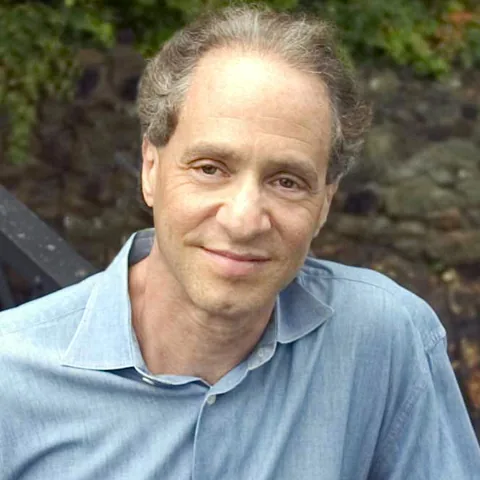
Ray Kurzweil is an inventor and AI researcher whose work links accessible reading technology, language systems, and forecasts about AI’s future. In 1965, he demonstrated a computer music program at science fairs and on television, then graduated from MIT with a BS in computer science and literature. At Google, he joined as Director of Engineering for machine learning and language processing, led a Natural Language Understanding group, and introduced Talk to Books with Rachel Bernstein. His books span The Age of Intelligent Machines and The Age of Spiritual Machines to The Singularity Is Nearer; he received the 1999 National Medal of Technology and Innovation.
- Works
- 79
- Citations
- 11,039
- h-index
- 22
Publication numbers from OpenAlex, as of 14 October 2026.
Timeline
-
1965
A computer composes music
At the 1965 Science Talent Search and International Science and Engineering Fair, his computer program used classical music patterns to compose original pieces. He also demonstrated it on CBS’s I’ve Got a Secret.
-
1970
Studying computers and literature
He graduated from MIT with a BS in computer science and literature in 1970.
-
1976
Reading print aloud
In 1976, he developed the Kurzweil Reading Machine, the first machine that could read printed and typed documents aloud.
-
1990s
Writing about artificial intelligence
His books The Age of Intelligent Machines (1990) and The Age of Spiritual Machines (1999) formed part of his writing on the future of computing and artificial intelligence.
-
1999
A national technology medal
In 1999, he received the National Medal of Technology and Innovation for computer-science achievements, including voice recognition.
-
2012–2016
Joining Google’s language group
Google hired him as Director of Engineering in December 2012 to work on machine learning and language processing. By 2016, he led a Natural Language Understanding research group that explored how a neural network could predict an author’s next sentence from style and personality.
-
2018
Searching books by meaning
With Rachel Bernstein, he presents Semantic Experiences, including Talk to Books. The tool searches more than 100,000 books for sentences that respond to a question or statement by semantic meaning.
-
2024
Revisiting a 2029 forecast
Released in e-book and audiobook editions on June 25, 2024, The Singularity Is Nearer revisits his 1999 prediction that AI would reach human-level intelligence by 2029 and examines exponential technological growth.
Sources and credits
Photo: Photo by Michael Lutch ., via Wikimedia Commons. License: CC BY 1.0. Source: commons.wikimedia.org. Cropped to a square and resized. Ask us to remove or replace this photo.

- Raymond Kurzweil - Society for Science
- Ray Kurzweil - National Science and Technology Medals Foundation
- Raymond Kurzweil | Lemelson
- Ray Kurzweil Joins Google In Full-Time Engineering Director Role; Will Focus On Machine Learning, Language Processing | TechCrunch
- On the Personalities of Dead Authors
- Introducing Semantic Experiences with Talk to Books and Semantris
- The Singularity Is Nearer by Ray Kurzweil: 9780399562785 | PenguinRandomHouse.com: Books