Cynthia Rudin
Cynthia Rudin researches interpretable machine learning and predictive models for practical decisions. She received her Princeton doctorate in 2004 and worked at NYU, Columbia and MIT before joining Duke in 2016. Her collaborative research addresses crime patterns, risk scoring, health predictions and infrastructure maintenance. Her team researched hospital-readmission risk in 2015, and she focuses on models that users can understand. AAAI elected her a Fellow in 2022. Interpretability alone does not establish fairness or clinical effectiveness.
- Now at
- Duke University
- Works
- 378
- Citations
- 24,704
- h-index
- 54
Publication numbers from OpenAlex, as of 14 October 2026.
Timeline
-
2004–2009
Training and research appointments
Rudin earned her Princeton doctorate in applied and computational mathematics in 2004. She later held positions at NYU and Columbia, followed by a position at MIT in 2009. This career path combined mathematical research with machine-learning methods for practical decisions.
-
2016
Models people can inspect
Rudin and collaborators developed models for studying crime patterns and recidivism risk. She aims to make the models understandable to users. The work involved students and colleagues; an understandable score alone does not establish fairness in every setting.
-
2015–2016
Health and infrastructure applications
Her team studied hospital-readmission risk and related health predictions in 2015. Her team also developed ranking methods for infrastructure maintenance. Rudin joined Duke in 2016. The work does not establish universal clinical or operational benefit.
-
2022
AAAI fellowship
AAAI elected Rudin a Fellow in 2022. Her fellowship recognizes her work on interpretable machine learning and trustworthy AI.
Sources and credits
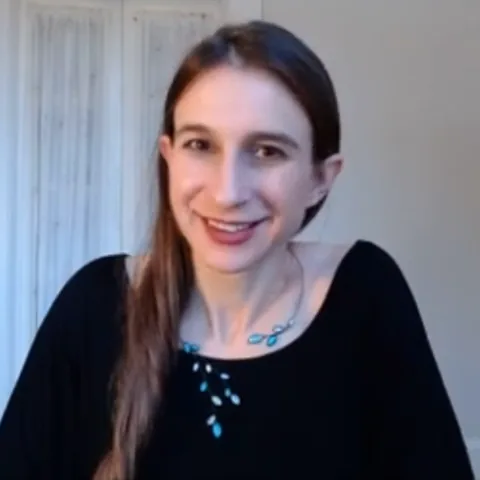
Photo: Cynthia Rudin, via Wikimedia Commons. License: CC BY 3.0. Source: commons.wikimedia.org. Cropped to a square and resized. Ask us to remove or replace this photo.
.png)